
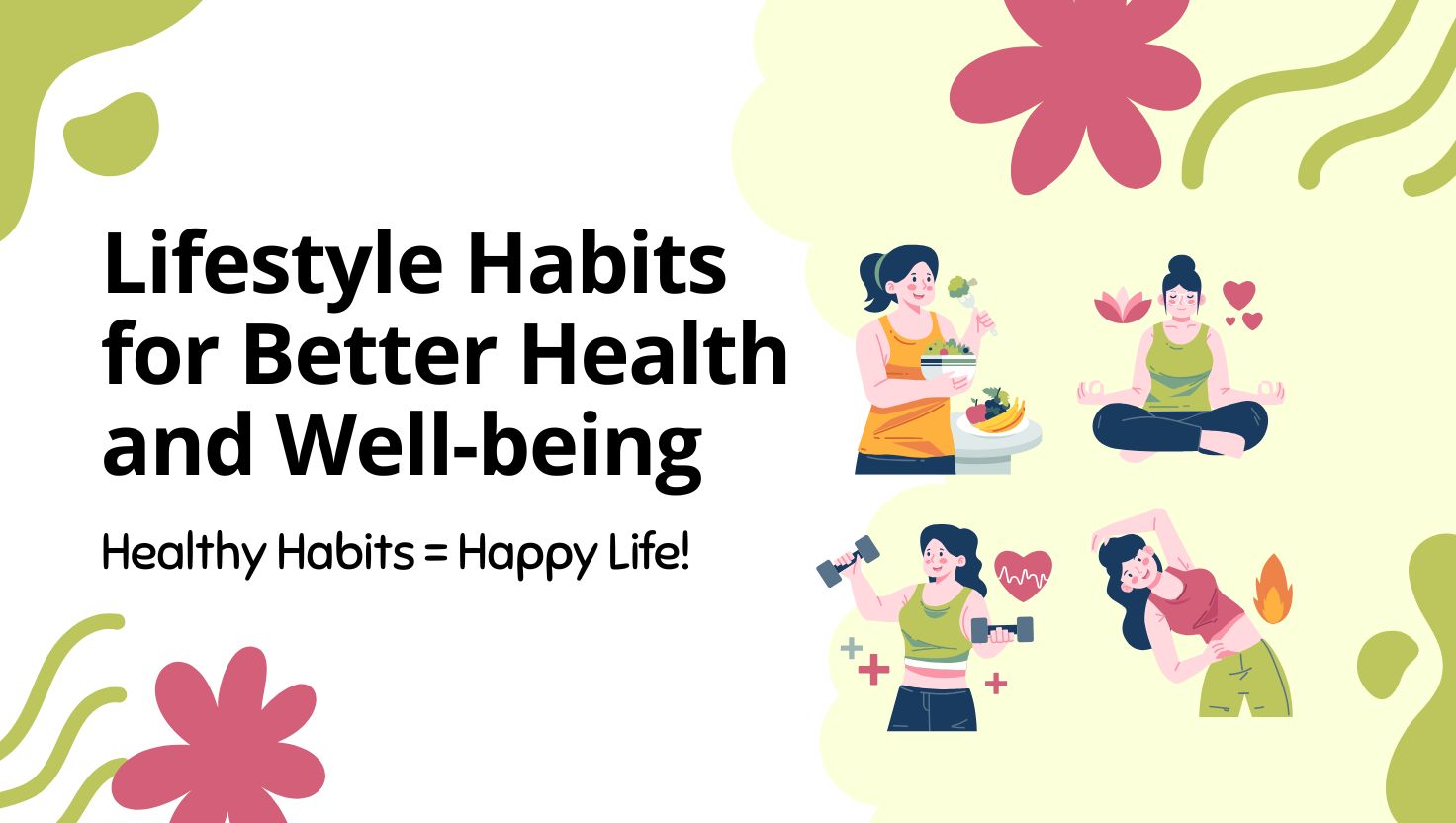
As a wellness consultant, I often remind my clients that true health is not built overnight—it is shaped by consistent lifestyle habits. A perfectly designed diet or exercise plan will only take you so far if your daily routine doesn’t support it. The good news is, even small, simple habits can make a lasting impact on your energy, mood, weight, and long-term health.
Here are some key lifestyle practices I recommend to my clients:
1. Begin Your Day with Hydration and Mindfulness
Starting the morning right has a ripple effect on the rest of the day. Before reaching for tea, coffee, or your phone, drink a glass of water to rehydrate your body after hours of rest. Pair this with a few minutes of deep breathing, meditation, or light stretching. This calms the nervous system and sets a positive tone for the day.
2. Follow a Balanced Plate
As a consultant, I emphasize balance over restriction. Your meals should ideally include:
½ plate vegetables & fruits (fiber, vitamins, antioxidants)
¼ plate lean protein (pulses, eggs, fish, chicken, tofu, or dairy)
¼ plate whole grains or millets (brown rice, quinoa, oats, chapati, etc.)
A small portion of healthy fats (nuts, seeds, cold-pressed oils).
This structure helps in maintaining satiety, blood sugar stability, and nutrient adequacy.
3. Make Movement Non-Negotiable
Physical activity is not only about weight loss—it supports heart health, blood sugar control, and mental clarity. I encourage clients to aim for:
At least 30–45 minutes of structured activity (brisk walking, yoga, cycling, or strength training).
Breaking long sitting hours with stretching or short walks.
Choosing enjoyable forms of exercise—this increases consistency.
4. Prioritize Sleep Hygiene
Sleep is often underestimated, yet it plays a vital role in metabolism, weight regulation, and mental health. Poor sleep can increase cravings and reduce productivity. Some strategies include:
Fixing a regular bedtime and wake-up time.
Avoiding caffeine and heavy meals close to bedtime.
Creating a calm, screen-free environment for restful sleep.
Aim for 7–8 hours of quality sleep daily.
5. Stay Adequately Hydrated
Many clients confuse thirst with hunger, leading to unnecessary snacking. To prevent this:
Keep a water bottle handy.
Aim for 2–2.5 liters daily, depending on activity level and climate.
Infuse water with lemon, mint, or cucumber if plain water feels monotonous.
6. Manage Stress Effectively
Chronic stress can lead to emotional eating, hormonal imbalance, and poor sleep. I often recommend:
Practicing breathing techniques or meditation.
Journaling or maintaining a gratitude diary.
Spending time outdoors or engaging in hobbies.
These strategies lower cortisol levels and improve overall well-being.
7. Limit Processed Foods & Screen Time
Ultra-processed foods and excess digital exposure are silent disruptors of health.
Replace packaged snacks with fresh fruit, nuts, or roasted seeds.
Set digital boundaries, especially during meals and before bedtime, to improve focus and digestion.
8. Nurture Social Connections
Wellness is not just about nutrition and fitness—it’s also about emotional health.
Make time to connect with friends, family, or support groups. Strong relationships boost resilience and happiness.
Healthy living is not about quick fixes but about building habits that are realistic and sustainable.
Start small—add one new habit at a time. Over weeks and months, these choices become part of your lifestyle, helping you achieve long-term health, vitality, and balance.